Solving the Reefer Gap: ONE’s Market Insights Reveal Key Drivers in African Trade
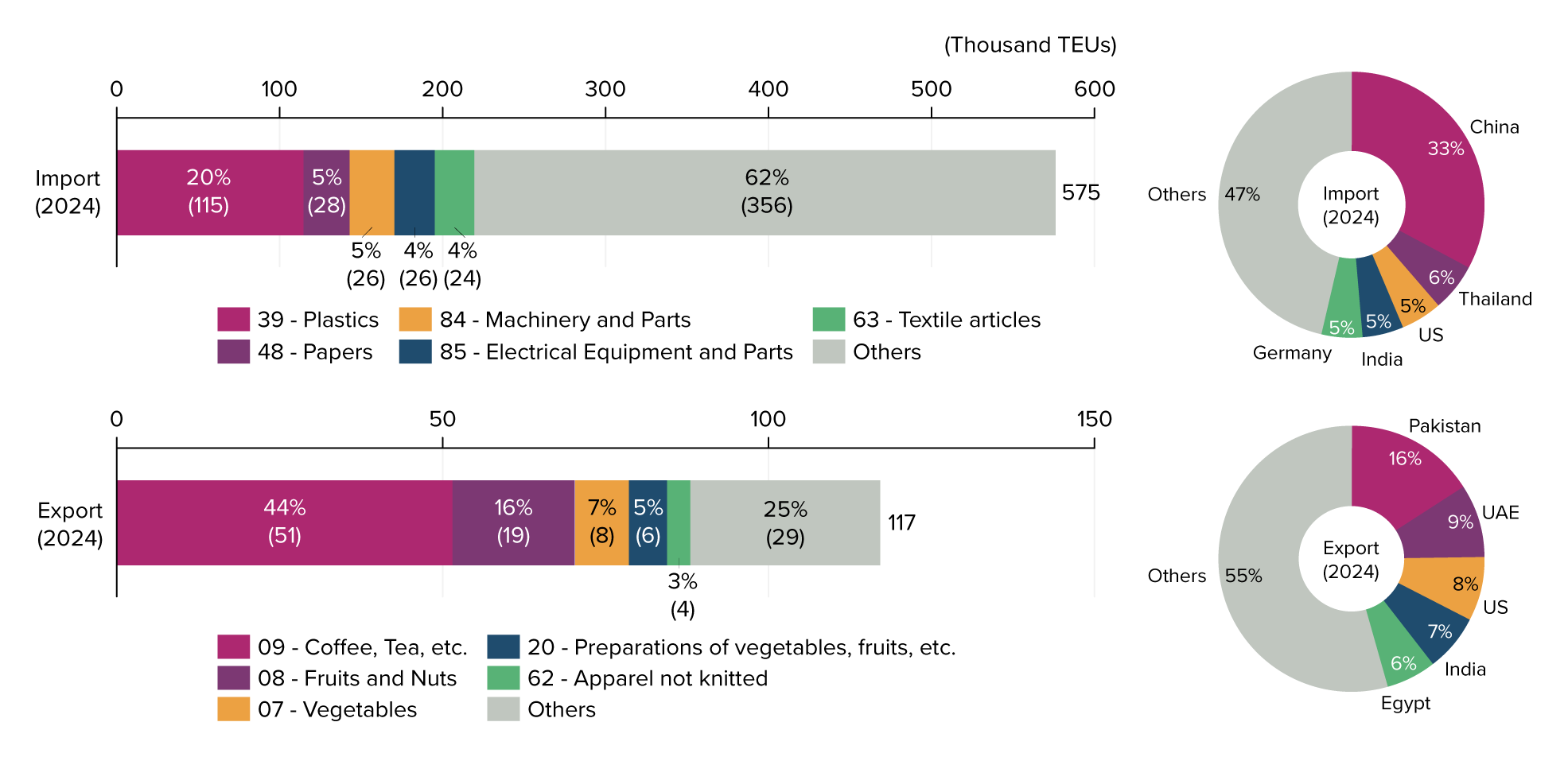
Africa is rapidly emerging as one of the world's most dynamic growth markets, fueled by the African Continental Free Trade Area (AfCFTA) and a surge in regional processing. However, operationally, shippers face an important structural challenge: a widening "reefer gap". While imports of manufactured goods from Asia - such as machinery, plastics, and textiles - continue to pour into major gateways like South Africa and Kenya in standard dry containers, the continent's booming agricultural exports demand specialized refrigerated equipment.
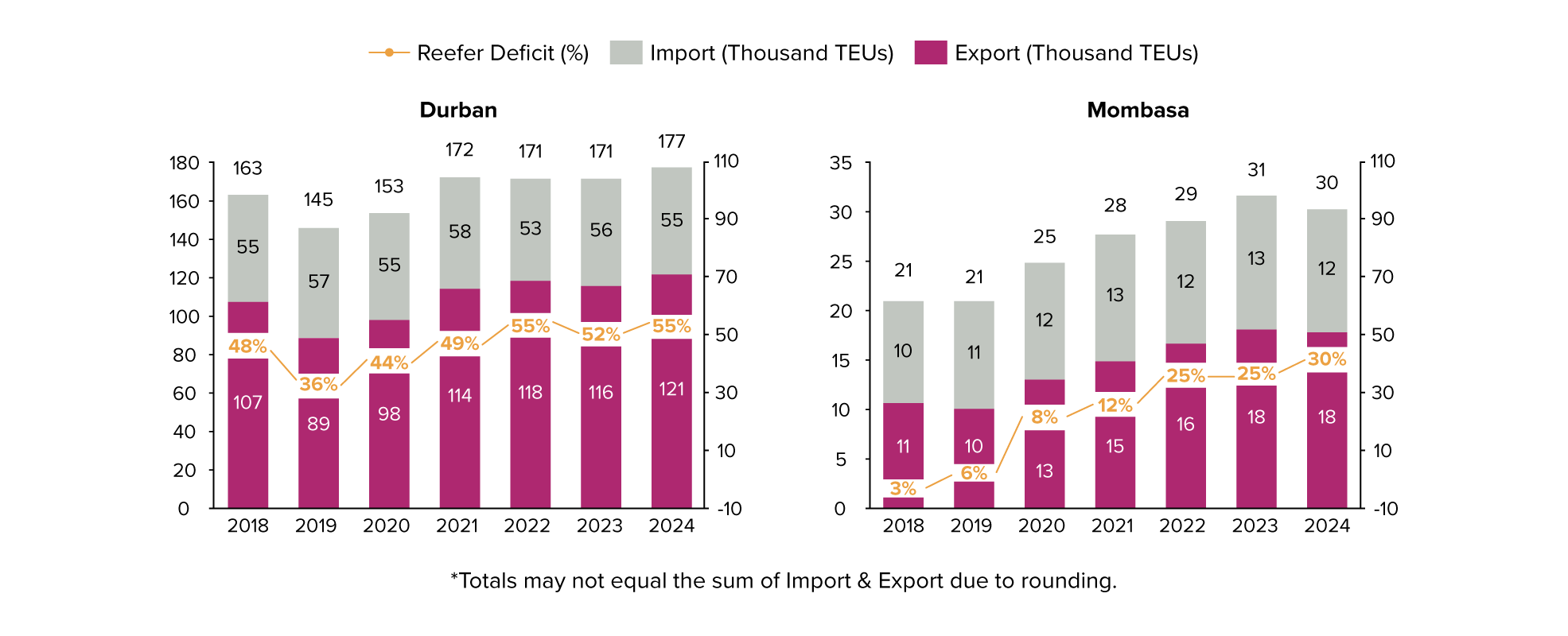
Based on 2024 figures, this mismatch created a severe reefer deficit; during peak export seasons, up to 55% of refrigerated demand in Durban and Mombasa could not be met by incoming reefer units alone. By understanding these shifting dynamics and leveraging strategic solutions like Non-Operating Reefers (NOR), also known as Reefer as Dry (RAD), businesses can transform these logistical hurdles into a competitive advantage, ensuring cargo integrity while stabilizing equipment supply in this essential global trade corridor.
Which markets are driving Africa's export boom?
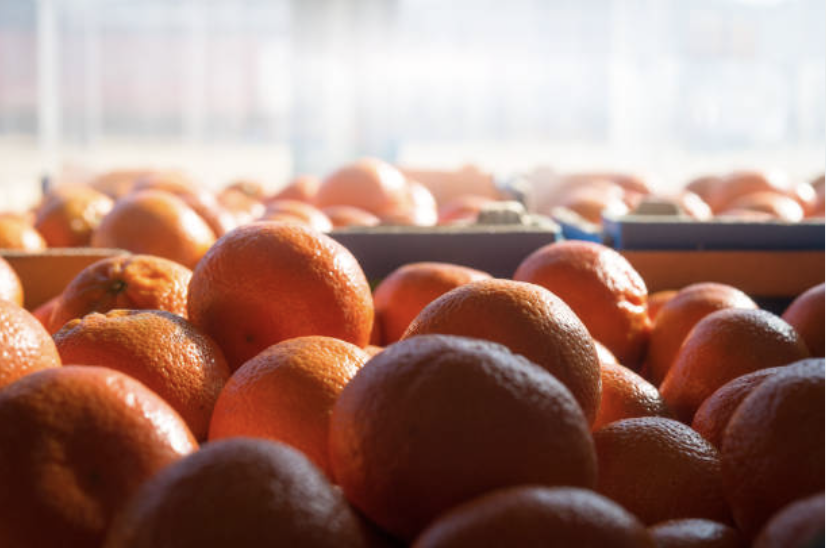
South Africa remains the primary gateway for the continent's container trade, with an import profile heavily influenced by its robust automotive manufacturing sector. This industrial base attracts high volumes of machinery and parts. On the export side, the landscape is dominated by the fruit industry; citrus exports alone account for roughly 40% of the nation's containerized outbound trade.
Over the last decade, South African fruit exports have achieved a steady CAGR of 4.6%, expanding the country's export portfolio beyond oranges with surging volumes of apples, grapes, and cherries. Meanwhile, Kenya has emerged as a regional hub where fruit exports have outpaced import growth with a remarkable CAGR of 13.9%. Specifically, Kenya's avocado production has increased four-fold since 2015, establishing the nation as the world's sixth-largest producer.
To protect the integrity of these high-value perishables during long-haul transits, the use of reefer containers is critical. These specialized units provide precise temperature and humidity control, essential for slowing the ripening process and preventing spoilage, thereby ensuring that African produce reaches global markets in peak condition and commands premium prices.
Source: S&P Global Market Intelligence
How is the container imbalance impacting your supply chain?
The fundamental logistical problem in Africa today is the "equipment mismatch" between incoming and outgoing cargo. Imports arrive in dry containers, while the exports of avocados, oranges, and other perishables require reefer units. This market driven equipment imbalance created a 55% deficit of reefer containers in Durban and a 30% deficit in Mombasa according to data from the respective ports.
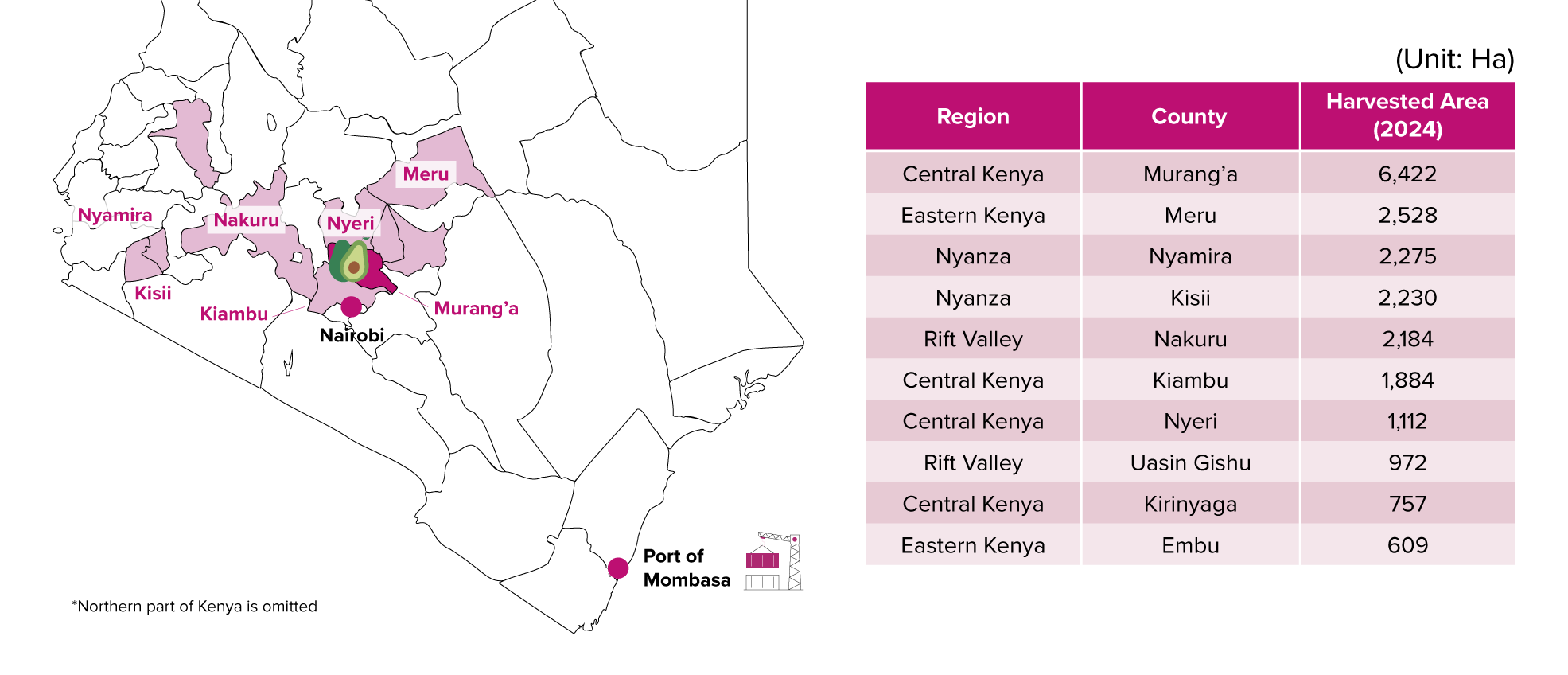
This deficit is compounded by geography. Major production hubs, such as the citrus groves of Limpopo in South Africa or the avocado farms of Central Kenya, are located hundreds of kilometers inland. The necessity of repositioning empty reefer units from the coast to these remote regions adds significant expense and complexity to the supply chain. For shippers, this means that traditional equipment strategies may no longer be sufficient to guarantee seasonal capacity or manage total transportation costs.
Source: Container Trade Statistics
Can Non-Operating Reefers (NOR) solve the logistics gap?
To mitigate the high costs of repositioning empty reefers, the industry is increasingly turning to Non-Operating Reefers (NOR), or "Reefer as Dry" (RAD) services. By transporting dry cargo in reefer units with the power turned off, carriers can move essential equipment to export hubs while providing shippers with a high-quality transport alternative. This strategy is particularly effective for Kenya's "avocado heartland"—counties like Murang'a, Kiambu, and Nakuru—which are situated in the central highlands far from the Port of Mombasa.
As NOR units offer superior cleanliness and insulation compared to standard dry containers, they provide a protected environment for inbound goods moving into these specific agricultural regions. This ensures that when the containers arrive at highland packhouses, they are already on-site and ready to be powered up for the return journey, providing effective transportations between the central production counties and the coast.
Source: United States Department of Agriculture
Navigate the Future of African Trade with ONE
As Africa continues its ascent as a regional and global economic powerhouse, the complexity of its logistics landscape requires a partner with deep local expertise and a proactive approach to equipment management. Ocean Network Express (ONE) is at the forefront of this evolution, providing specialized NOR services that bridge the gap between import needs and export demands. We understand that your growth depends on a stable, efficient, and high-quality supply chain.
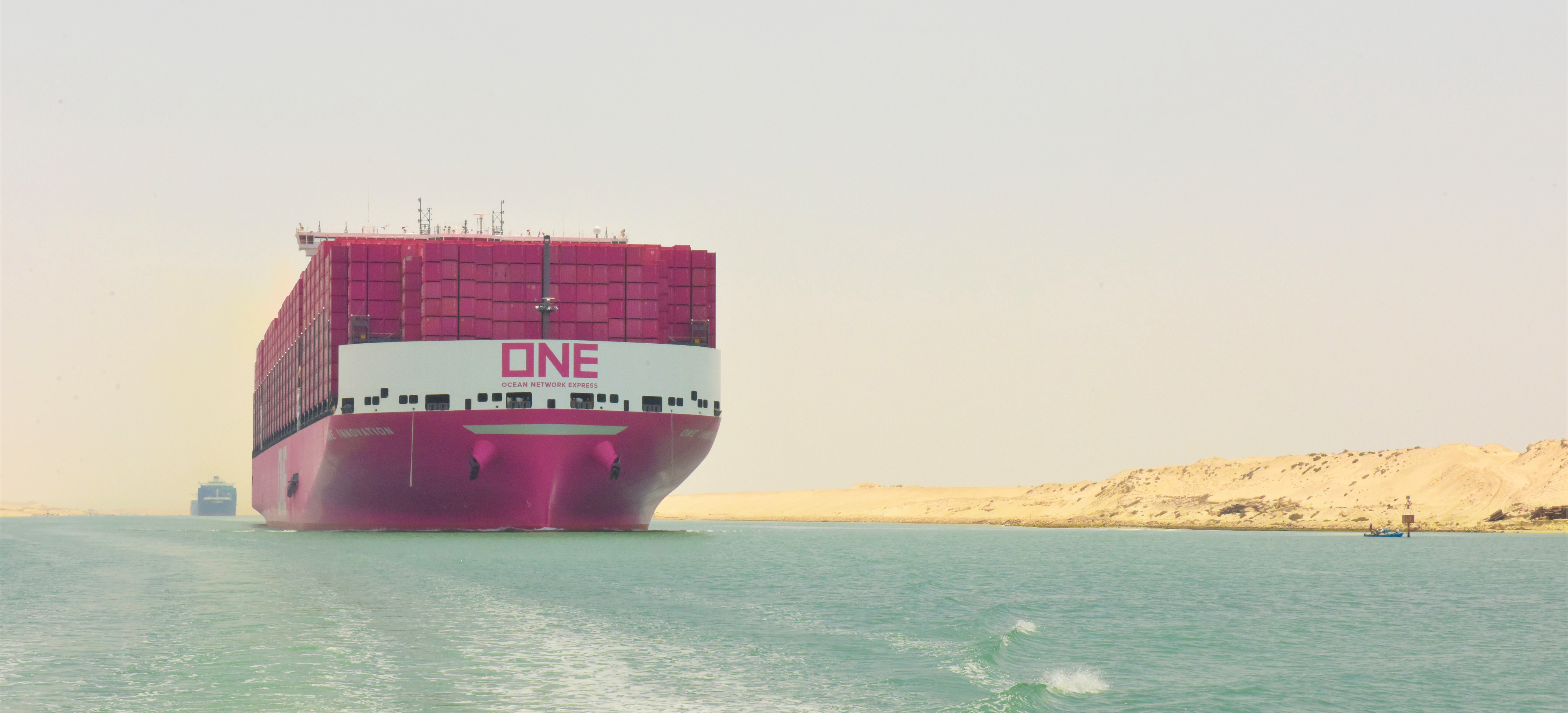
As Your Number ONE Shipping Partner, we are committed to delivering the innovative solutions and operational excellence required to accelerate your business in this dynamic corridor. With ONE, Africa's logistical challenges become strategic opportunities, ensuring your cargo arrives safely, efficiently and in peak condition.